
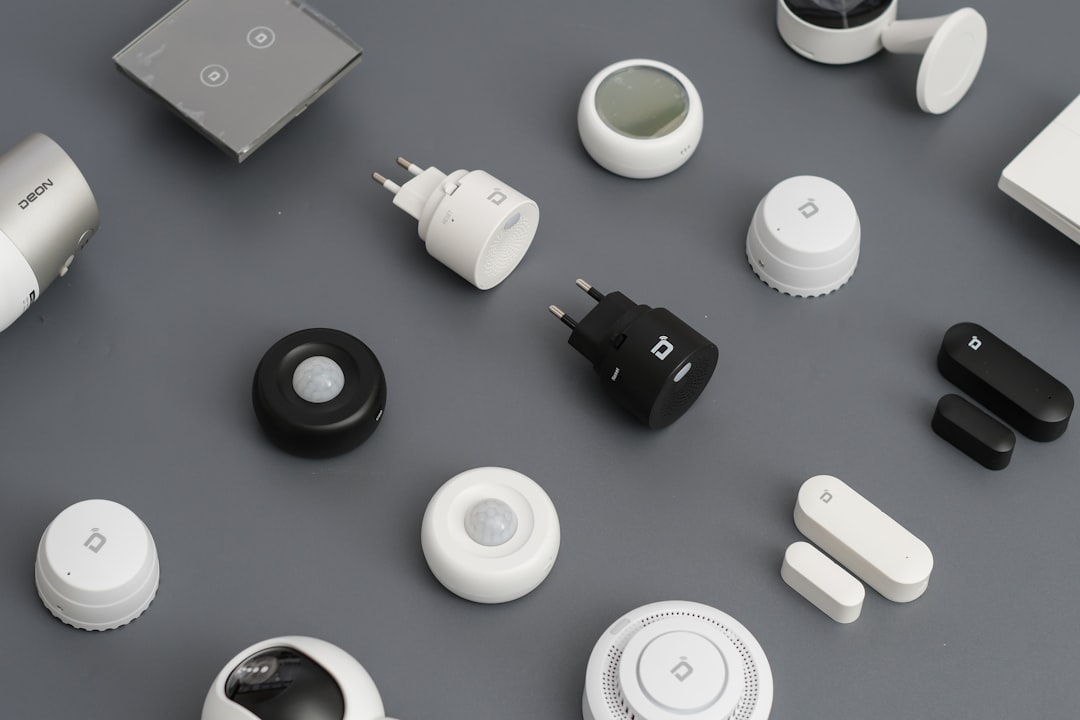
Smart home devices have transformed the way we interact with our living spaces, making them more efficient, secure, and convenient. As technology continues to evolve, these devices have become increasingly sophisticated, offering a range of functionalities that cater to the needs of modern homeowners. In this article, we will explore the evolution of smart home devices, their benefits, and how they can enhance your daily life.
Understanding Smart Home Devices
Smart home devices are electronic gadgets that connect to a network, allowing users to control them remotely through smartphones or other devices. These devices can include smart thermostats, security cameras, lighting systems, and appliances that communicate with each other to create a seamless living experience. The integration of the Internet of Things (IoT) has played a significant role in the development of these technologies, enabling them to share data and respond to user commands efficiently.
The rise of smart home technology can be traced back to the early 2000s, but it has gained significant traction in recent years due to advancements in wireless communication and artificial intelligence. Homeowners are increasingly seeking solutions that not only enhance comfort but also improve energy efficiency and security. As a result, the market for smart home devices has expanded rapidly, with numerous options available to suit various needs and budgets.
Benefits of Smart Home Devices
One of the primary benefits of smart home devices is the convenience they offer. Homeowners can control their devices from anywhere, whether they are at home or away, providing peace of mind and flexibility. For instance, smart thermostats can learn your schedule and adjust the temperature accordingly, ensuring optimal comfort while saving on energy costs. This level of automation not only simplifies daily routines but also contributes to a more sustainable lifestyle.
Security is another critical advantage of smart home technology. With smart security cameras and alarm systems, homeowners can monitor their properties in real-time, receiving alerts on their smartphones if any unusual activity is detected. This capability has proven invaluable in reducing burglary rates and enhancing overall safety in neighborhoods. In a recent case study in Austin, Texas, a local family reported a 30% decrease in security incidents after installing a comprehensive smart home security system.
Use Cases and Practical Outcomes
Smart home devices can be tailored to meet the specific needs of different households. For example, families with young children can benefit from smart locks that allow parents to monitor who enters and exits the home. Additionally, smart lighting systems can be programmed to turn on and off at specific times, providing an added layer of security when the family is away. These practical applications not only enhance safety but also contribute to a more efficient household management system.
Moreover, the integration of smart home technology can lead to significant cost savings over time. A study conducted in Seattle found that homeowners who adopted smart energy management systems reduced their energy bills by an average of 20%. This reduction not only benefits the household budget but also contributes to a lower carbon footprint, making smart home devices an environmentally friendly choice.
Building Trust and Credibility in Smart Home Technology
As with any technology, building trust in smart home devices is crucial for widespread adoption. Manufacturers are increasingly focusing on security features to protect user data and privacy. By implementing robust encryption methods and regular software updates, companies can ensure that their devices remain secure against potential threats. This commitment to security helps to alleviate concerns among consumers, encouraging them to embrace smart home technology.
Furthermore, user reviews and testimonials play a vital role in establishing credibility. Many homeowners share their experiences with smart home devices online, providing valuable insights for potential buyers. By showcasing real-life success stories and measurable outcomes, such as increased energy savings or enhanced security, manufacturers can build a strong reputation and foster trust within the community.
The Future of Smart Home Devices
The future of smart home devices looks promising, with continuous advancements in technology paving the way for even more innovative solutions. As artificial intelligence and machine learning become more integrated into these devices, we can expect them to become even more intuitive and responsive to user needs. This evolution will not only enhance the user experience but also open up new possibilities for automation and efficiency in our homes.
In conclusion, the evolution of smart home devices has brought about significant benefits that enhance our daily lives. From increased convenience and security to cost savings and environmental sustainability, these technologies are transforming the way we live. As we continue to embrace smart home solutions, it is essential to stay informed about the latest advancements and best practices to maximize their potential and enjoy a smarter, more connected home.